English
 English

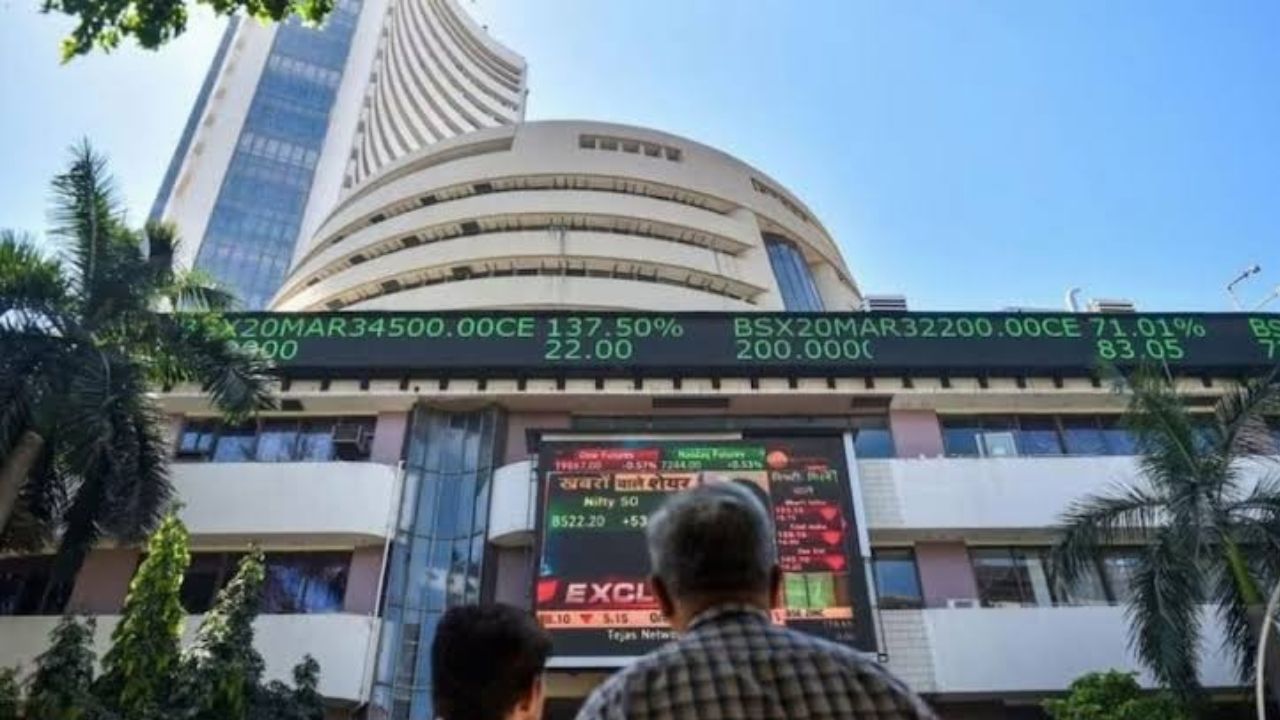
Sensex rebounds over 400 points after Tuesday's massive market sell-off. (Img: Pinterest)
New Delhi: The Indian stock market opened in the green on Wednesday after a brutal sell-off in the previous session pushed benchmark indices to multi-month lows. The BSE Sensex gained more than 400 points in early trade, while the NSE Nifty 50 moved above the 23,250 mark.
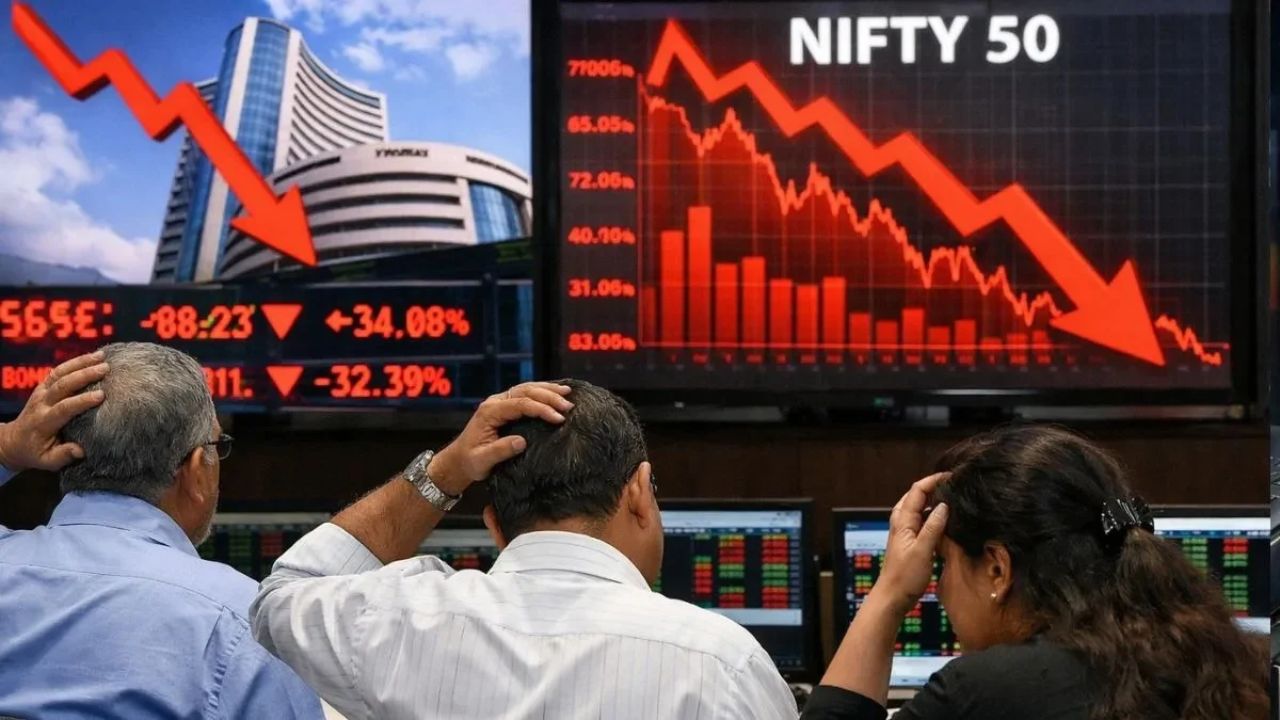
The recovery comes after the Nifty suffered its steepest decline in recent sessions on Tuesday and ended at a five-month closing low. The Sensex also plunged nearly 778 points as investors reacted to elevated crude oil prices, rising global bond yields, geopolitical uncertainty and weak international market cues.
The early gains suggest that investors are attempting to use the recent decline to make selective purchases. However, the rebound is taking place against a backdrop of several major risks, making Wednesday's trading session particularly important for Dalal Street.
The immediate reason behind the early recovery is the possibility of a technical rebound after consecutive sessions of selling. Market indicators had entered oversold territory following the recent correction, potentially encouraging bargain hunting and short-term buying.
The Nifty 50 had closed at 23,118.60 on Tuesday after falling 279.50 points, or 1.19 per cent. The Sensex ended at 74,003.82 after losing 777.94 points, or 1.04 per cent.
The sharp reversal has made the 23,200-23,250 zone important for traders watching the Nifty. The ability of the index to sustain gains above this area could influence near-term market sentiment, while renewed selling could bring recent lows back into focus.
Despite Wednesday's recovery, crude oil remains one of the biggest concerns for Indian equities.
Brent crude had moved above $100 a barrel amid supply concerns, while US West Texas Intermediate crude also remained elevated. For India, higher crude prices can have wider economic consequences because the country depends heavily on imports to meet its oil requirements.
Expensive crude can increase the import bill, put pressure on the rupee and complicate the inflation outlook. It can also affect the operating margins of companies with high fuel, logistics and transportation costs.
This makes every major movement in international oil prices important for Indian investors.
Global markets are also waiting for the US Federal Reserve's monetary policy decision later on Wednesday. Investors are expected to closely examine the Fed's interest-rate decision, policy statement and guidance on the future direction of monetary policy. The communication could influence global bond yields, currency markets, foreign investment flows and equity valuations.
US Treasury yields have also remained high, adding another layer of pressure to global risk assets. Any major change in the Fed's tone could therefore trigger volatility across emerging markets, including India.
Foreign institutional investor activity is another major market trigger. Foreign investors have been selling Indian equities amid concerns over crude prices, global yields and market valuations. At the same time, domestic institutional investors have provided some support through buying activity.
The contrasting behaviour of foreign and domestic investors is important for the market because sustained foreign outflows can weigh on benchmark indices, while domestic buying can provide a cushion during periods of global uncertainty.
The primary market is also expected to remain active. Hero Motors, SS Retail and Jindal Supreme India were scheduled to open their IPOs for subscription on Wednesday.
The fresh issues come at a time when investors are already closely tracking movements in the secondary market. Strong demand for IPOs could attract additional investor liquidity, while market participants will also monitor subscription numbers and institutional participation.
Tuesday's trading session delivered a major setback for Indian equities. The Sensex crashed 777.94 points, or 1.04 per cent, to close at 74,003.82. The Nifty 50 dropped 279.50 points, or 1.19 per cent, to settle at 23,118.60, its lowest closing level in about five months.
Selling was visible across several major sectors, including banking, automobiles and oil and gas. Several large-cap stocks also faced pressure as investors turned cautious amid worsening global cues. The market's inability to hold its early gains on Tuesday highlighted the fragile nature of current sentiment.
Wednesday's early rally will be tested by several factors throughout the trading session. Investors will track whether the Nifty can sustain levels above 23,200-23,250, along with movements in crude oil, the rupee, US Treasury yields and Asian markets.
The Federal Reserve's policy announcement will remain the biggest global event on the radar. Any unexpected signal on interest rates or future monetary policy could increase volatility in Indian equities.
For retail investors, the key takeaway is that Wednesday's opening gains come after a sharp correction and should be viewed in the context of the wider market trend. The combination of oversold conditions, crude oil uncertainty, foreign selling and the Fed decision means volatility could remain high.